



Yoga Therapy
Yoga is the union of the individual soul (Jivatman) with the Supreme Consciousness, the one true Absolute (Paramatman).
This sacred union is cultivated through the disciplined purification of the physical body, the subtle (energy) body, and the inward drawing of the mind into one-pointed concentration upon the Self.
Over a lifetime of devoted practice, these disciplines purify the heart, cultivate a Sattvic (balanced and harmonious) mind, and awaken the Soul’s innate loyalty to Truth.
Through the systematic practice of asana (yoga postures), pranayama (breath awareness and control), dharana (concentration), dhyana (meditation), mantra, mudra, and visualisation, the limited individual gradually taps into a deeper awareness. The true inner journey begins when one understands the need for Yoga and Meditation and what it means to become a loyal Soul with a clean heart.
-
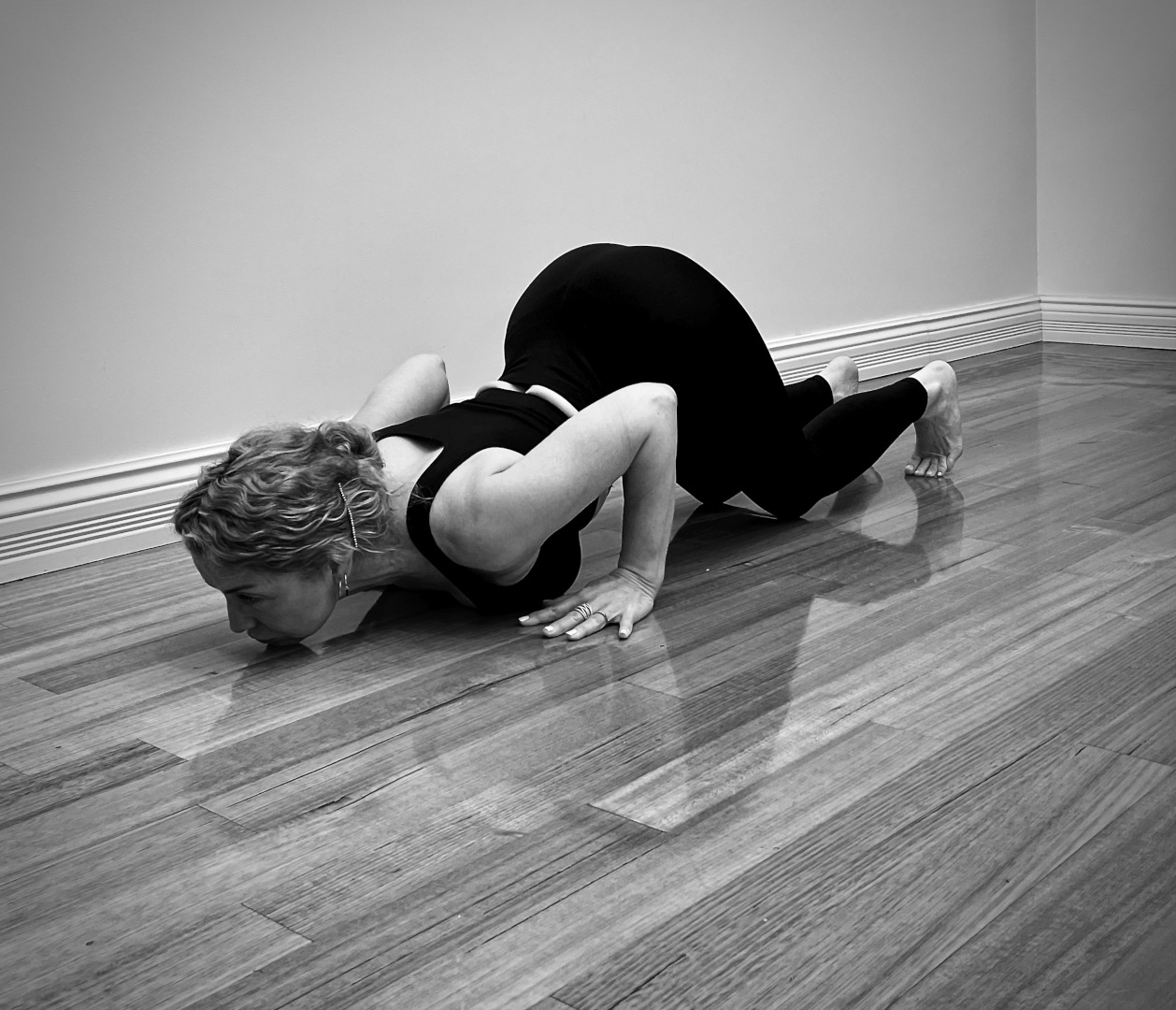
Asanas bring balance, strength, and health to the physical body.
-
Pranayama infuses the pranic body, the vital life-force, with energy and harmony.
-
Together, these practices create a stable foundation for meditation.
When the mind is applied to the rhythm of the breath, a profound cleansing takes place. This not only disciplines the mind but also cultivates conscious breathing and supports deeper meditative states.
The addition of mantra, mudra, and visualisation further stabilises the thought process, anchoring the practitioner in inner stillness, clarity, and self-awareness.
At Yajna Yoga, students are introduced to a holistic practice rooted in Vedic Traditions, Hatha Yoga and Iyengar Yoga, with variations inspired by Ashtanga and Bhakti Yoga. The teachings are enriched with insights from Ayurveda and Siddha Traditions, offering a deeply therapeutic and integrative approach.
The Therapeutic Structure of Asana Practice
In the Ayurvedic system, asana practice is more than a physical discipline; it’s a means of healing and balancing the psychophysiological flow. The root cause of many diseases is understood as an imbalance in one’s constitutional state, or prakriti. Asana, practised according to the Ayurvedic medical model, serves as a powerful tool to restore this inner balance.
By dedicating more time to proper alignment and breath work within each posture, practitioners stimulate the internal organs and systems of the body, enhancing their function. When breath and structure are harmoniously integrated, flowing from one posture to the next with awareness, the practice becomes both safe and therapeutically beneficial.
One of the primary purposes of asana is to ensure the unobstructed flow of prana or life force through the body’s energy centres. Areas of stiffness or soreness often indicate energy blockages. Through targeted and mindful movement, fresh circulation is brought to these regions, aiding in the release of tension and the restoration of energetic flow.
As stated in the Hatha Yoga Pradipika, “Controlling the breath and observing its rhythm brings the consciousness to stillness.” Breath, or pranayama, serves as a bridge between body and mind, drawing the practitioner into a state of deeper awareness.
This inward focus is known as pratyahara, the withdrawal of the senses. It marks a transition from external practice to internal exploration. Pratyahara allows energy to turn inward, leading to one-pointed attention and greater self-awareness. It is the doorway between the outer and inner limbs of yoga, transforming physical asana from mere exercise into a profound spiritual discipline.
The Physical Benefits of Asana Practice
On the physical level, the practice of asana initiates the body’s natural cleansing and healing processes. As we move through postures with awareness and breath, we are nourished not only physically, but also mentally and emotionally. This alignment of internal and external energies cultivates presence and a deep sense of wholeness.
A healthy body is supported through the gentle yet effective stimulation of internal organs, which aids in detoxification. Asana also activates the lymphatic system, enhances circulation, and helps remove stored physical tension. Just as mental and emotional stress can accumulate, so too can physical stress, often a byproduct of modern lifestyles. Through consistent practice, yogis develop greater strength, endurance, and vitality.
Scientific studies have shown that yoga reduces stress levels, lowers blood pressure, and fosters a lasting sense of calm and mental clarity. Regular elongation of the spine, combined with improved postural alignment and breath awareness, results in increased flexibility, energy, and overall well-being.
The therapeutic application of yoga, especially with the support of props such as blocks, straps, and bolsters, makes the practice accessible and healing for all. Students recovering from sports injuries or managing conditions such as neck or back pain can experience not only relief but also long-term prevention of such ailments. With mindful guidance, yoga becomes a restorative and empowering path toward lifelong health.
Twelve months post-tibial plateau fracture, defying the restricted medical prognosis - “Your knee will never bend more than 90 degrees.” With plates, pins, a bone graft, perseverance and a thread of breath weaving through each cell and the radiant circuit, today, my knee bends to 140 degrees. This journey goes beyond physical repair. It is the alchemy of Yoga, the sound current—the intelligence that moves through stillness, healing the physical body and realigning its energetic formation. The lesson is simple: develop your breath, it nourishes healing, calms the mind and awakens the life force that carries you beyond limitations, even those spoken by experts in certainty.
My knee and hip demonstrate good flexibility and are doing splendidly.
The Emotional and Energetic Dimentions of Yoga
Yoga as a Path to Health, Purification and Self Evolution
When any of the body’s primary systems are impaired or out of balance, the result is disease or dysfunction. This is why the practice of asana must give careful attention to the internal organs, muscles and systems that support and preserve the health of both body and mind.
One of the most immediate benefits of yoga is its ability to release tension and dispel stagnant energy from the body. Even after a single session, many practitioners experience a profound sense of ease, lightness, and clarity. These effects are not simply physical, they are energetic and emotional, revealing the deeper intelligence of the practice.
The practice of Yoga is a sacred gift, bestowed by the Divine to the soul, to aid in its purification and evolution during its time in the physical and mental bodies. Through asana, breath, and inner focus, we cleanse the body, calm the mind, and reconnect with the spirit.
If you feel drawn to the path of Yoga, it may be a sign that your Soul is ready to receive its wisdom. All that is required of the student is sincerity, dedication, and a genuine desire for a purer body and clearer mind. The journey of Yoga begins with effort, but leads to transformation, healing, and ultimately, self-realisation.
The Transformational Promise of Yoga.
Once you step onto the path of Yoga and begin to understand its science and spiritual depth, the natural challenges of life, such as aging, negativity, and disease begin to lose their hold on you.
Yoga keeps you young, the body vibrant and the mind clear, so that growing older becomes something to embrace, not fear. Mental negativity is gradually shed rather than accumulated, and the body’s constitution becomes more resilient, serving as a natural defence against illness and imbalance.
With sincere practice, Yoga becomes not just a discipline, but a way of living, one that fosters inner peace, vitality, and spiritual evolution throughout every stage of life.
"Real intelligence is not possible for one who does not have any yogic self-control, nor is meditation. For those who cannot meditate there is no peace. For those who have no peace, how can there be happiness?"
Bhagavad Gita 11.66
An Interesting Hypothesis
It has been theorized that pranayama, which brings an influx of oxygen and subtle energy to every cell, may stimulate the creation of new stem cells, which in turn, regenerate the organs. It is known that four days after fertilisation, one single stem cell develops into the brain, the heart and so on. If performing pranayama helps to generate stem cells, could this simple process of conscious breathing reverse or slow the aging process? Is this why legends abound of yogis in the Himalayas who live hundreds of years?
This would be a fascinating subject for medical research.